


ARCHITECTURAL HERITAGE
Santa María de Guía is renowned for its rich heritage and architectural wealth. The historic quarter was declared a Historic-Artistic Site in 1982, as it preserves numerous splendid examples of the varied architecture that resides in the city, where the Gran Canarian frontispiece and neoclassical architecture stand out, with this area being one of the best examples in the archipelago.
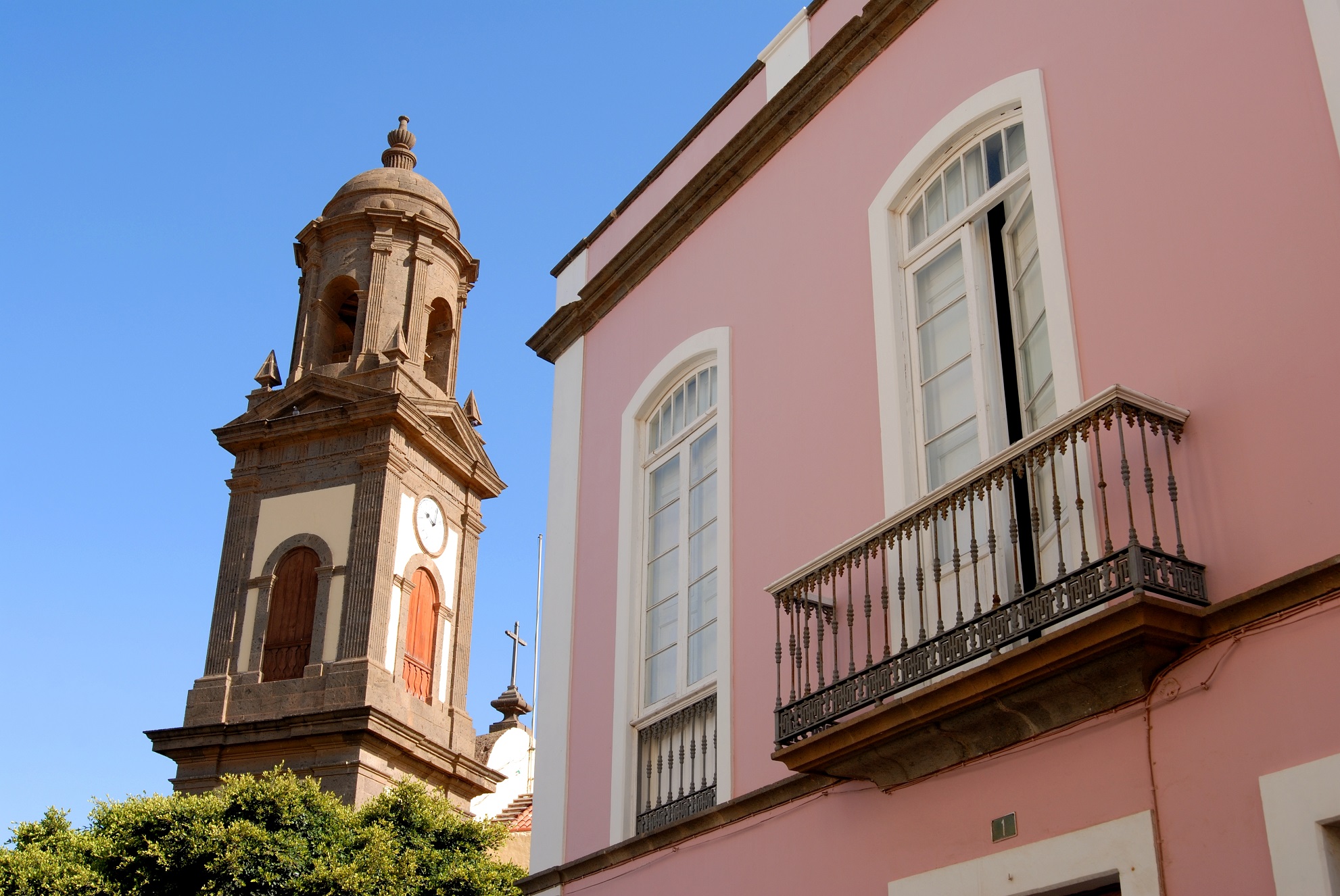
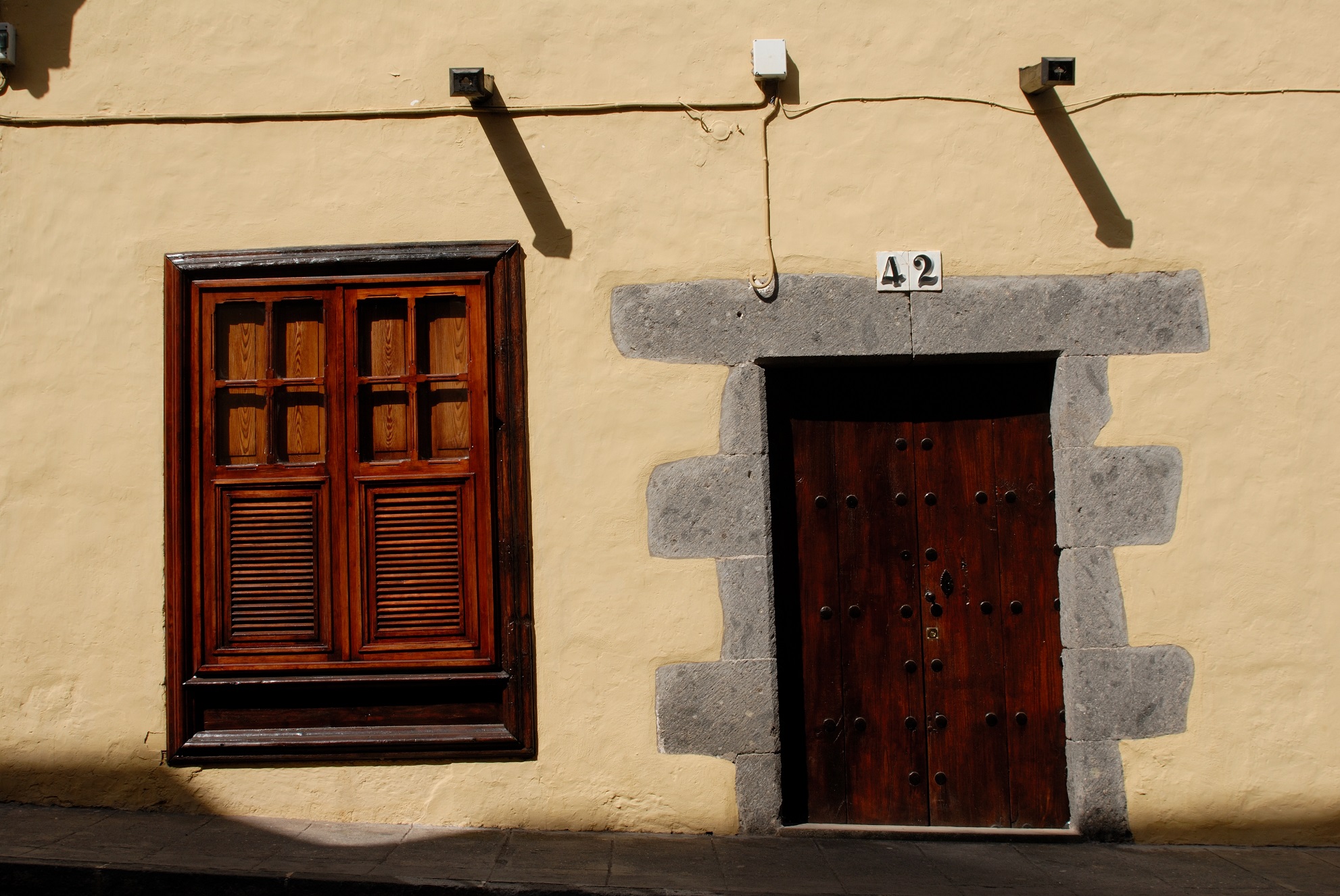
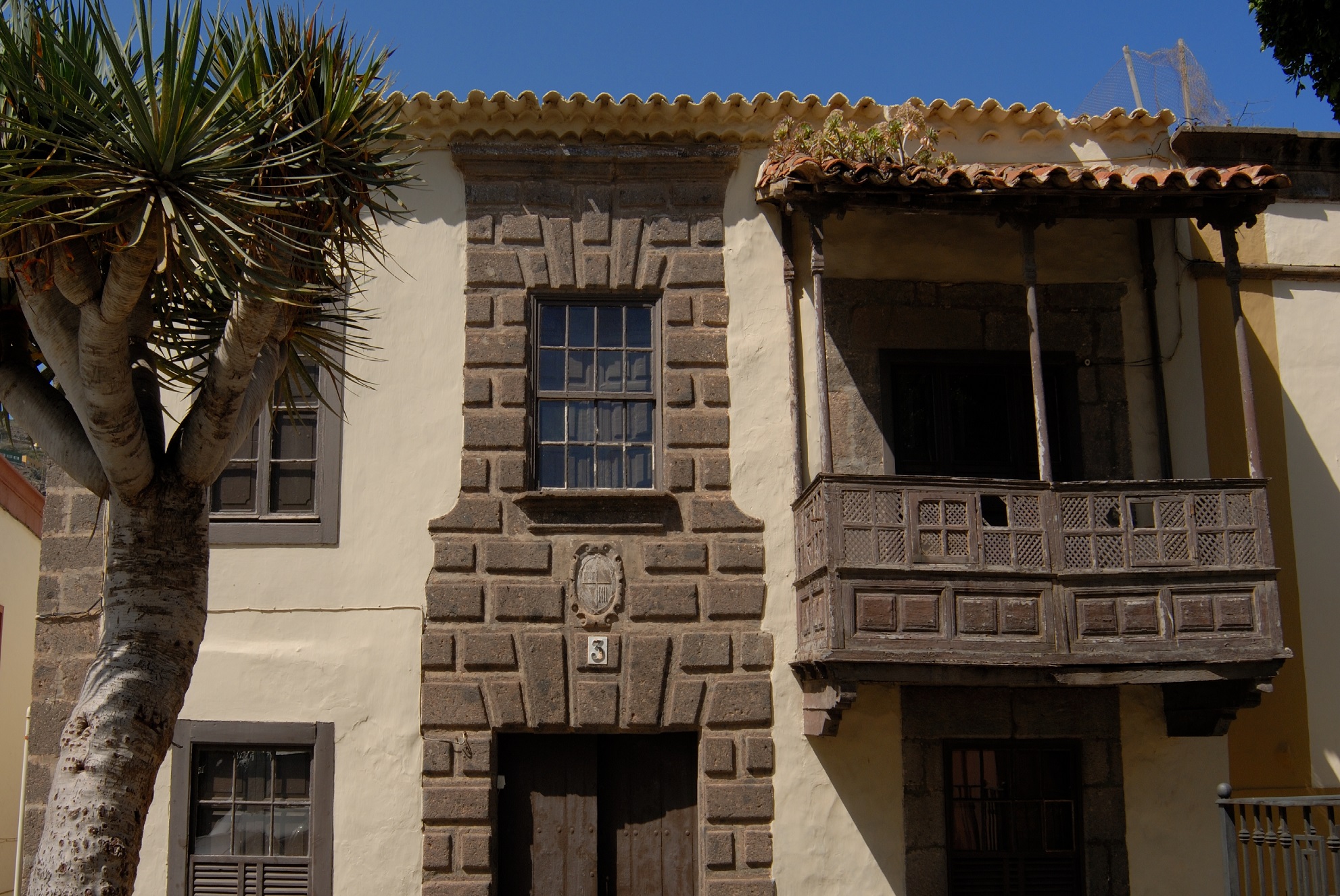
El The historic centre of Santa María de Guía stands out not only for its urban layout and its development model —along the hillside and not radially around the nerve centre, as was common in other towns of the time— but also for the rich and varied civil and religious architecture that is represented in it.
As far as religious architecture concerned, the parish church of Santa María de Guía, built between the 17th and 19th centuries and whose façade clearly shows two clearly differentiated styles —Baroque in the frontispiece and Neoclassical in the towers— and the hermitage of San Roque, built in the 16th century and renovated in the 19th century in an eclectic style, stand out.
The domestic architectureis the one with the greatest variety of styles. It can be classified according to the period of construction of the buildings and according to the economic possibilities of their owners. According to this classification, we can find in Guía traditional houses- athose prior to the 18th century - in a stately style, such as the well-known Casa de Los Quintana, and in a popular style, such as some of the houses found, above all, in the upper part of the city. The main differences between these two styles are in the size of the floors and the use of stone as a decorative element on the facade.
From the mid-18th century onwards, a type of façade with symmetrical openings that always maintain order and proportion, in accordance with the canons of the neoclassical style, became popular. These buildings are also notable for their lintelled doorways, stone door and window frames, and uncovered balconies. There are many examples of this style of architecture to be found in the historic quarter, among which the building nº 11 in Calle Marqués del Muni, whose design is attributed to Luján Pérez, stands out.
Other more recent architectural styles such as historicist, academicist, eclectic, rationalist and neo-Canarian are also represented in the old quarter of Santa María de Guía.