
Origin
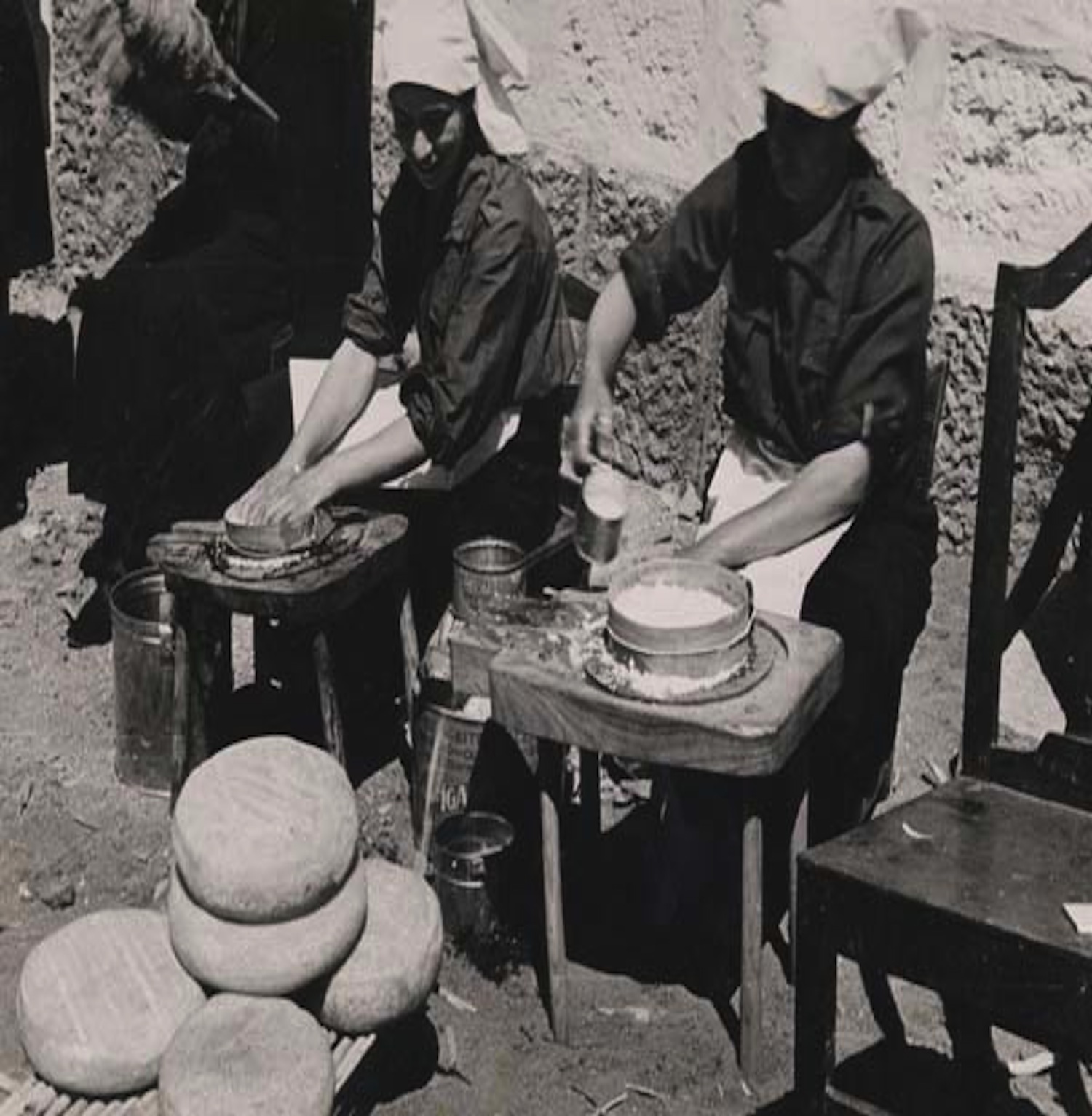
There are many historians who relate the cheese tradition of the island of Gran Canaria, and more specifically, of those that are exclusive to Santa María de Guía, Gáldar and Moya, municipalities located in the northwest of the island, with extensive pastures and rural settlements. linked to this economic activity.
The origin of the famous Guía cheese lies in the first towns that settled in the northern midlands at the beginning of the 16th century, after the conquest of Gran Canaria, mainly of Portuguese and Extremaduran origin. It was these first settlers who introduced the use of the thistle flower for fruit set.
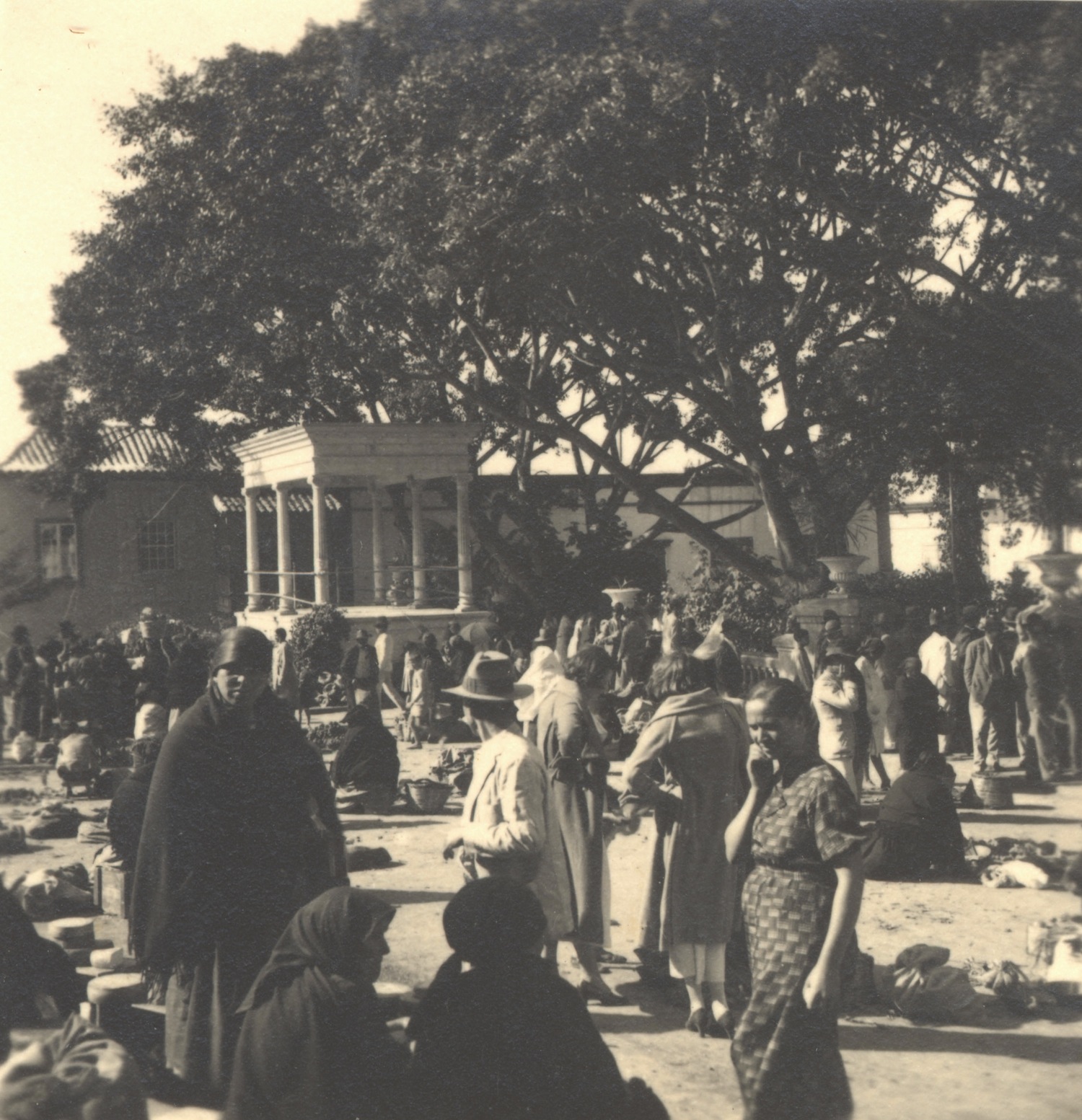
As for its designation, this is due to the fact that the surplus cheese production of the Northern Region was sold in the Villa de Guía, as it had the necessary socioeconomic characteristics, since from the 16th to the 20th centuries the great land, cattle and water owners; the largest number of artisans and merchants, in addition to having administrative services: Notary Public, Militia Regiments, Property Registry, Treasury, Court, Hospital, Supply Market. That is why the cheese produced in the midlands of the entire North Region (Gáldar, Moya and Santa María de Guía) was sold in the Guía Market, which led to the cheese being renamed “Flor de Guía Cheese” or simply “Guía Cheese”, due to its peculiarity; the Flower of the Thistle and the rennet, and because it is a point of sale, because after all, the shepherds who produce the cheese, were mere wage earners or mediators of the rentiers and had to carry out their production and render accounts at the owner's residence . The surplus, in the good years of pasture, was sold in a colossal agricultural market, in the streets and squares of Santa María de Guía, which existed until the twilight of the 20th century, and which helped the producing shepherd to obtain money, and thus buy land and cattle from the owners, appearing the "cortijos"; traditionally, places where sheep graze, and which receive their name from Andalusian influence.