
Old Town
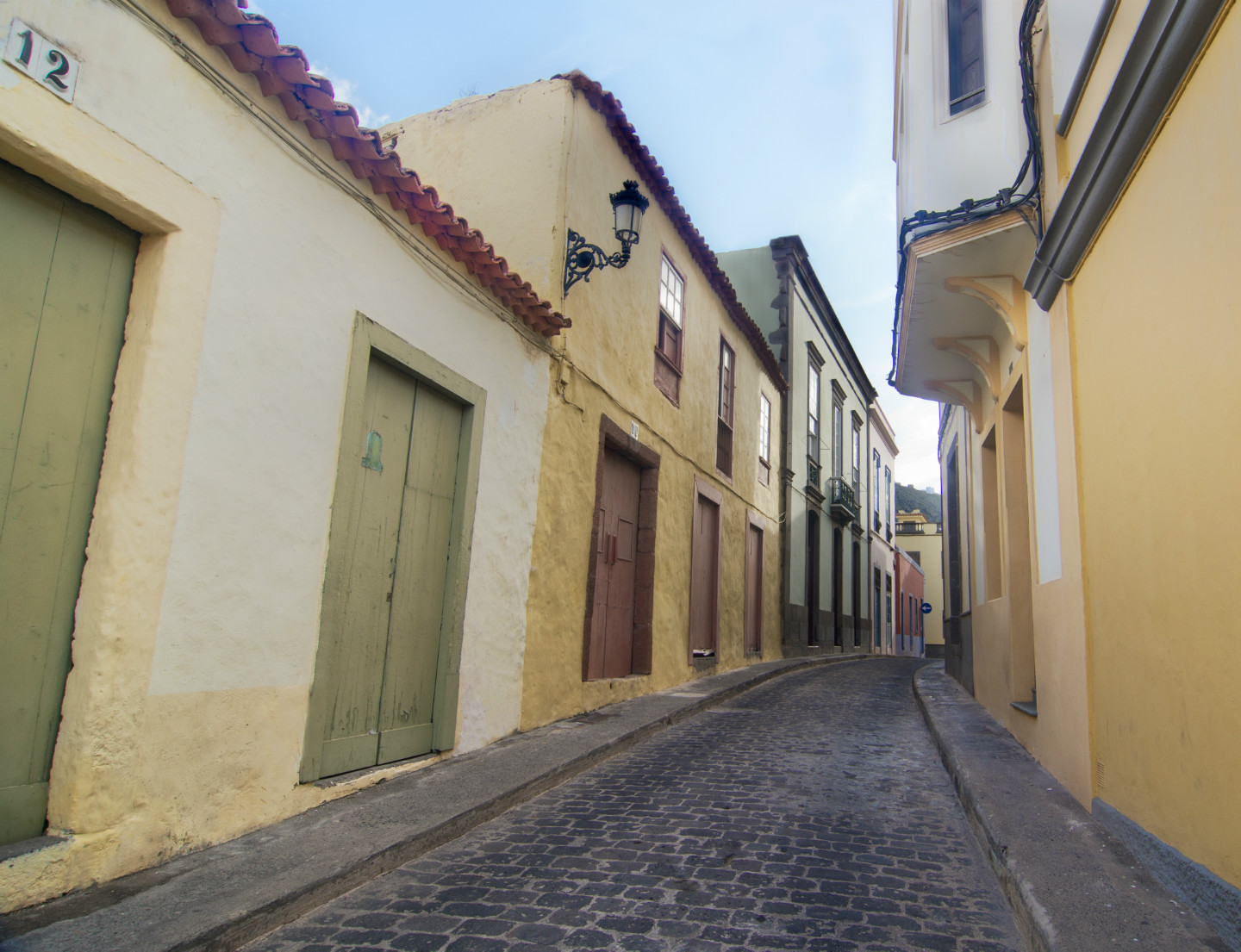
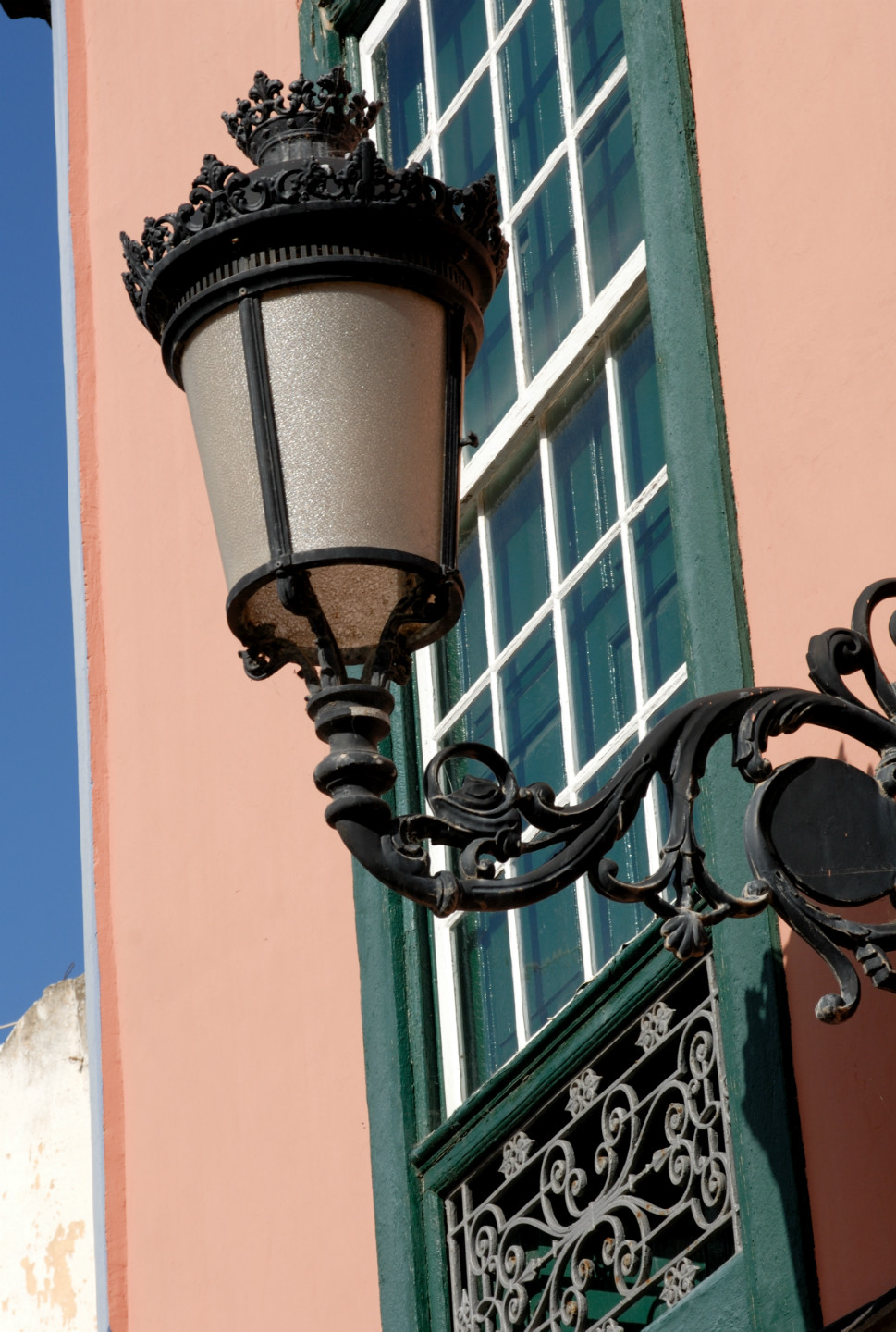
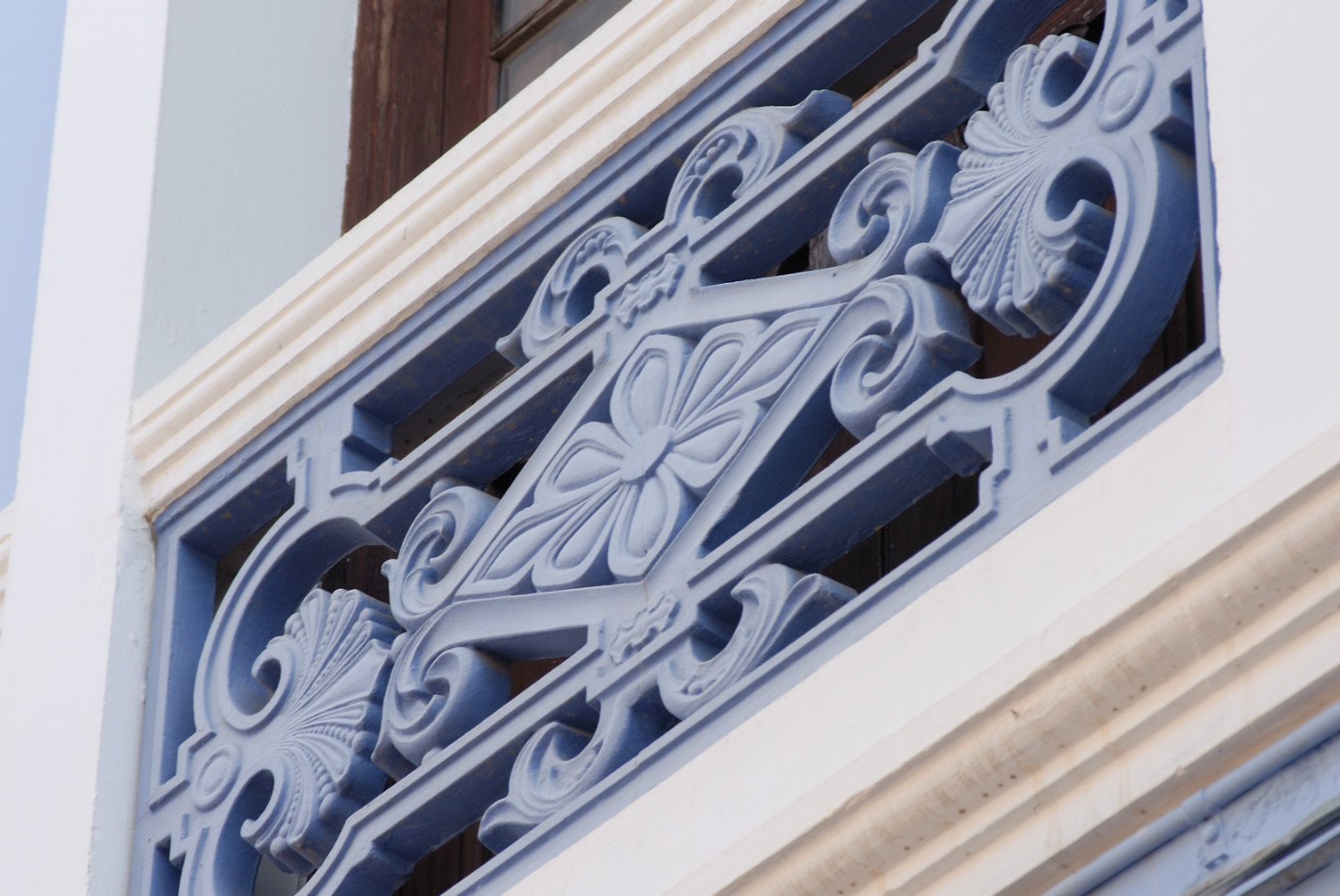
Stroll through the cobbled streets of the old town where a window opens onto the splendor of yesteryear and where numerous elegant and stately factory buildings await you, impassive to the passage of time, so that you can observe them. On your way you will find corners of great artistic and historical value such as a 16th century house, a 17th century street, an 18th century cobblestone, a 19th century balustrade, the house of the first mayor or the 17th century house where the humanist and musicologist Néstor Álamo, today converted into a museum. Visit some of the craft workshops that still exist in the city since ancient times and let yourself be amazed by the laborious and refined work of knife and wood craftsmen. Make a stop to taste the typical sweets of Guía, and of course, don't leave Guía without trying the famous and exquisite queso de flor in one of the establishments specialized in its sale.
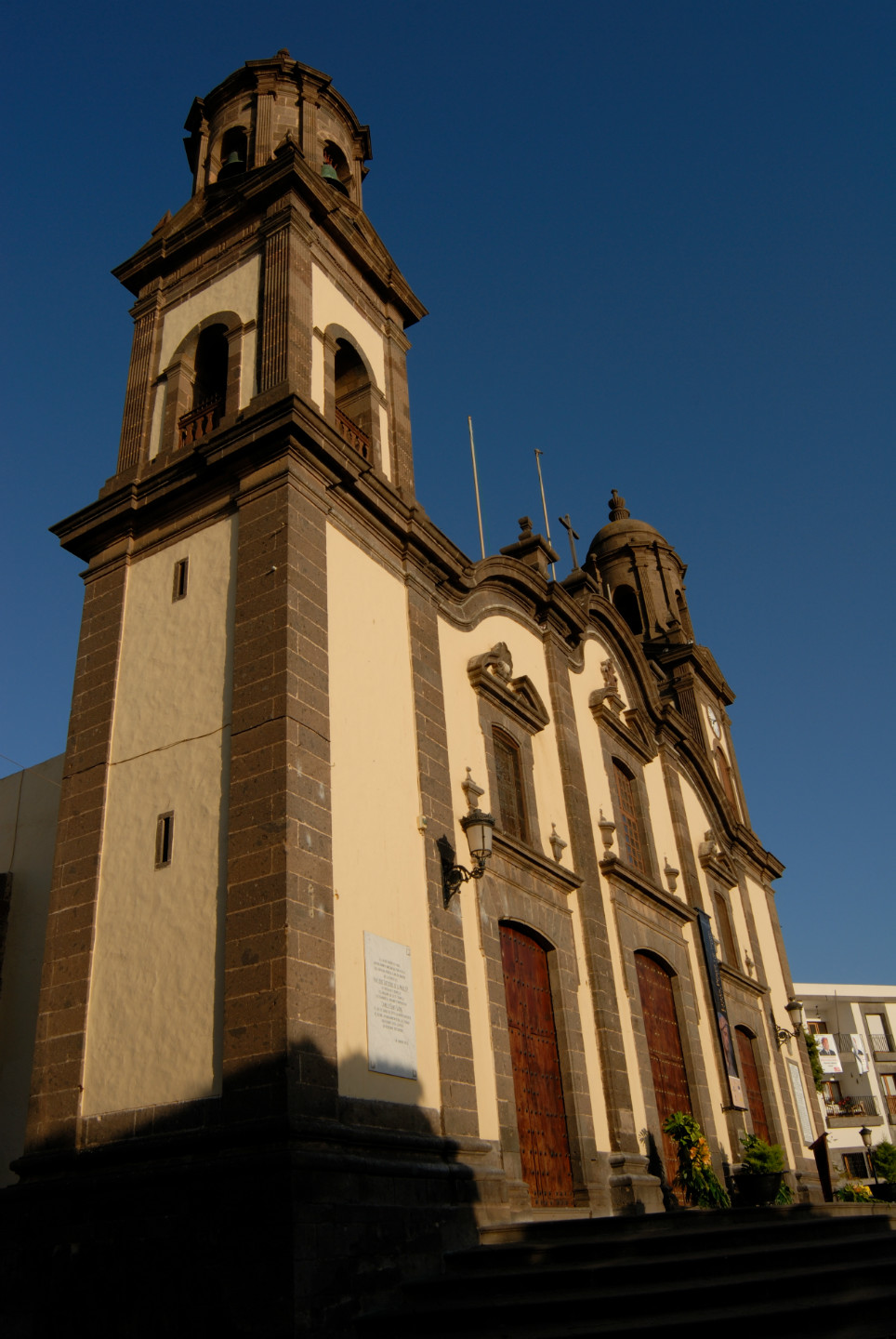
A tour through the cobbled streets of the Historic Center of Santa María de Guía (declared a National Historic-Artistic Monument in 1982) allows us to notice the beauty of its buildings and transports us to the splendor of yesteryear. Among its buildings, the Parish Church (built between the 17th and 19th centuries) stands out, with its baroque façade flanked by two neoclassical towers and inside which important works of art are preserved, among which are altarpieces and images of the famous sculptor from Guía, José Luján. Perez; the House of los Quintana (manor building from the 16th century); the birthplace of Néstor Álamo (17th century) and the Hermitage of San Roque (16th century, restored in the 19th century in an eclectic style). Other places of interest within the Casco are the Panificadora where the typical Guía pastries are made in the traditional way; the craft workshops where you can check out the manufacturing process of Canarian knives (their handles are made from goat's horn) and wood carving and the establishments where you can taste the Guía Cheese. During the tour, numerous and splendid examples of the varied architecture that resides in the city are also observed, where the Gran Canarian façade and neoclassical architecture stand out, which have in this space one of the best manifestations of the archipelago.
PHOTO GALLERY