
Craft
Santa María de Guía is a benchmark municipality when it comes to crafts, as it has historically stood out in the number of artisans and in the variety and richness of its production. Among all the handicrafts, the production of Canarian knives stands out, of which Guía is considered its cradle, and wood carving. But other artisan products are also recognized in our municipality such as the pottery from Hoya de Pineda, the typical sweets from Guía and, of course, the famous Queso de Flor.
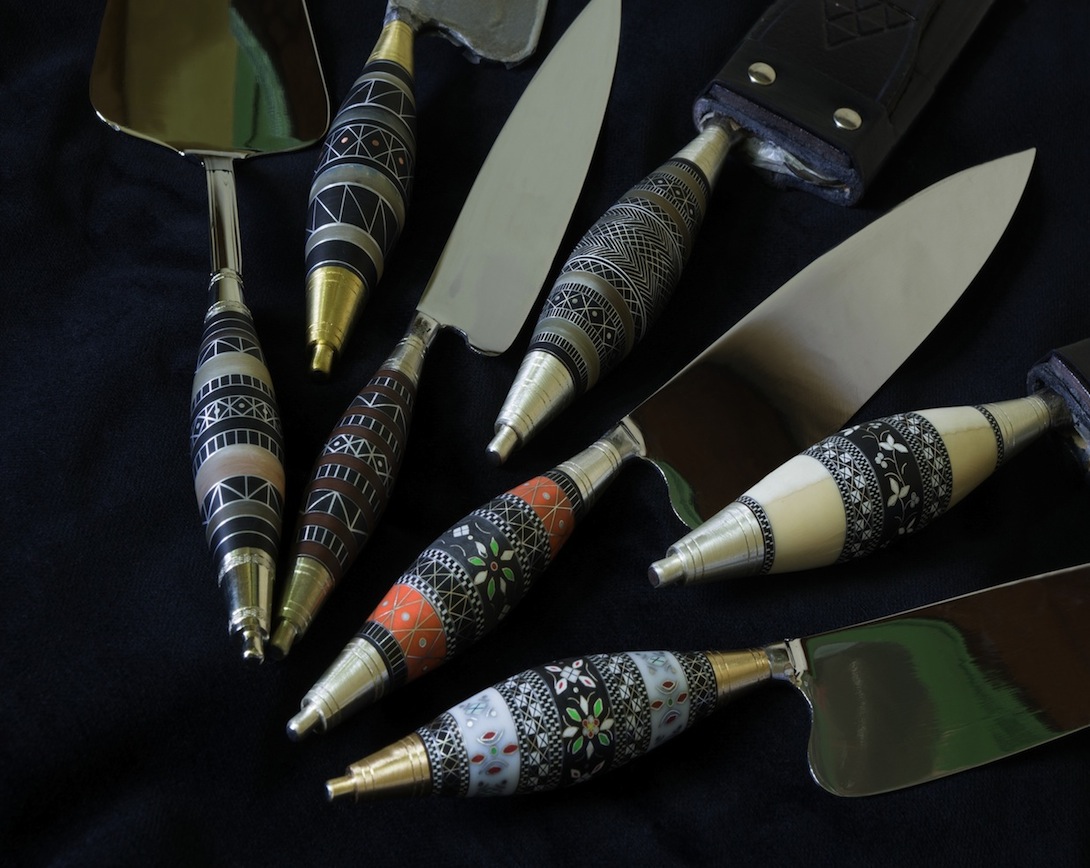

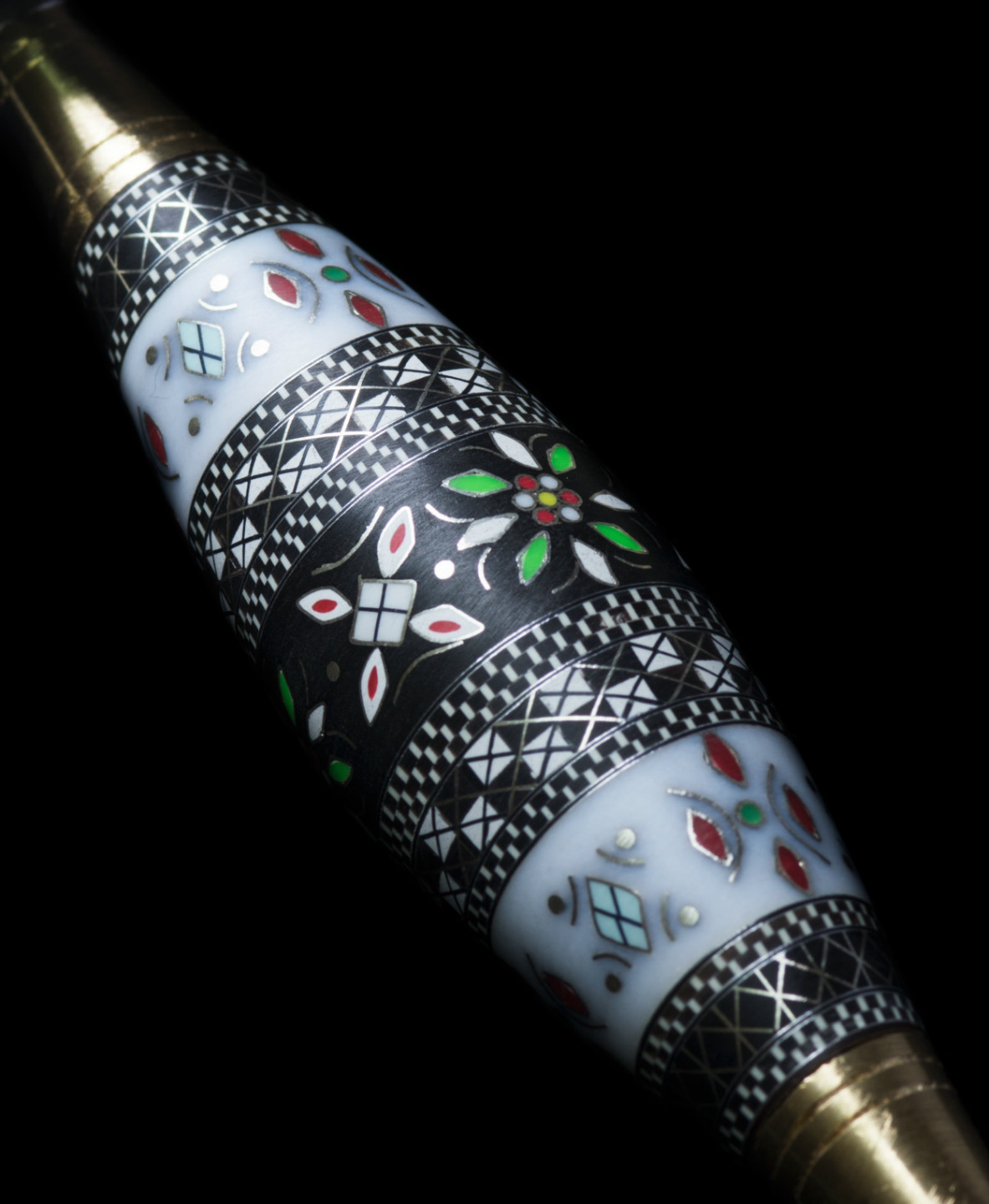
The canary knife is undoubtedly the most recognized piece of craftsmanship in Guía.These knives were originally used as tools by shepherds and farmers and stand out for the coffered ceiling, made with goat's horn, gold and/or silver, among other metals and forming different decorative patterns. Whether they are geometric motifs on the knives known as coastal knives, originating from the San Felipe neighbourhood, or floral ones popularised by knife makers from casco. Its use spread, above all, in banana crops, from the mid-nineteenth century, (hence it is also called naife - from the English word "knife", since these crops were mostly owned by Englishmen).
Another of the most popular and traditional crafts in our municipality is related to wood carving. This craft, derived from the profession of carpenter and cabinetmaker, also became popular in the 19th century when, with the advent of industrially manufactured furniture, these craftsmen were forced to reconvert their activity to dedicate themselves to decorate the surface of furniture and other wooden elements such as boxes, jewellery boxes, chests, workshops, etc. These decorations were made following techniques that became distinctive in the archipelago such as "canary mincemeat" and that stand out for their depth, which favours decoration with sharp-edged drawings and reliefs in geometric shapes.
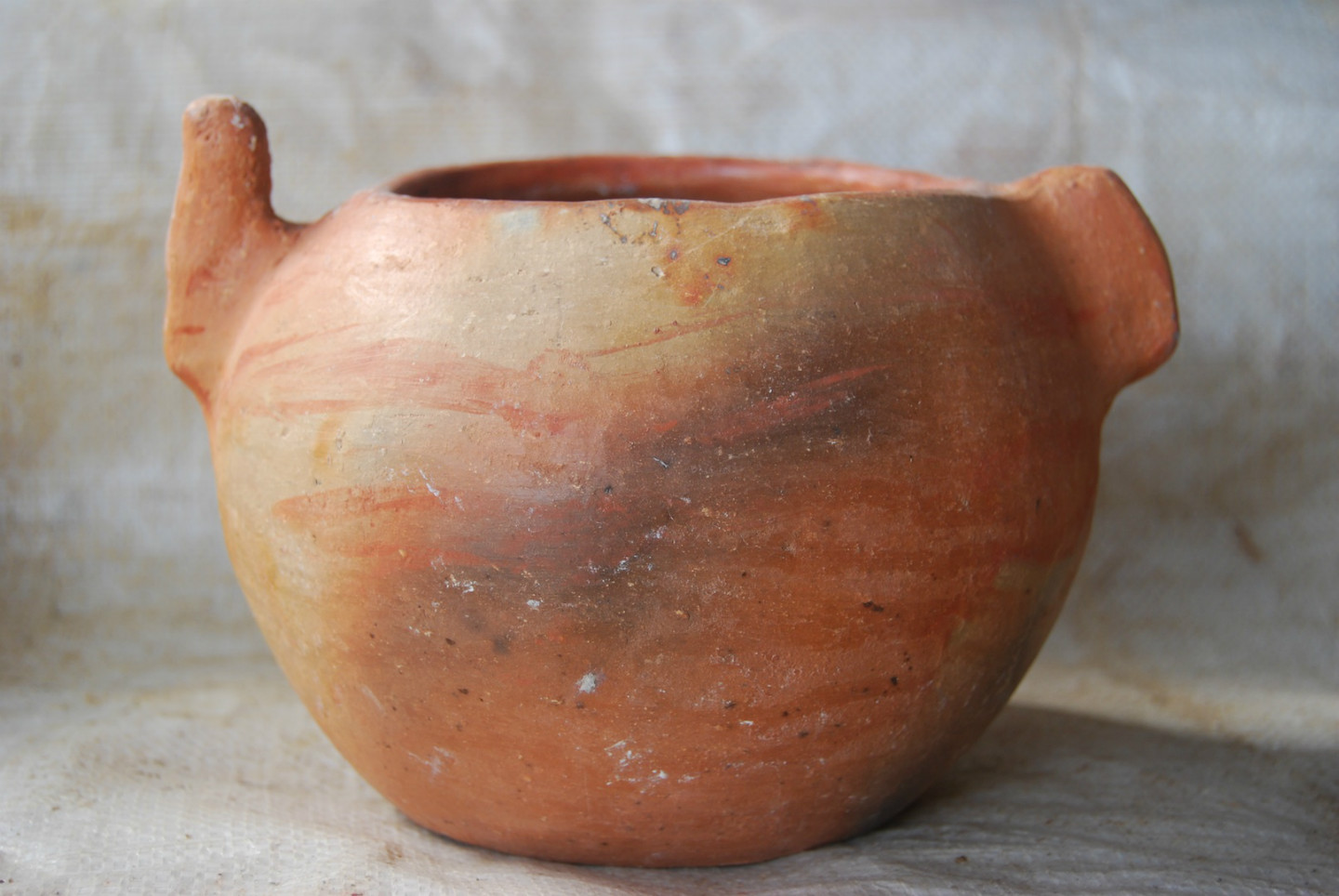
Also pottery has had important relevance in Santa María de Guía, especially in Hoya Pineda, an important pottery centre since the 19th century, where potters from other areas settled there, although there are indications of its presence since the first times of aboriginal settlement. In its surroundings there are all the necessary elements for its elaboration: from the barriers where the clay is extracted, to the red ocher for its decoration and the firewood necessary for its cooking. Several families of potters from Hoya Pineda are recognised for its dedication to the elaboration of traditional Canarian pottery in the way of our aborigines, without a wheel and with the same aesthetics. These pieces of pottery or earthenware were used as domestic utensils (cauldrons, containers to store water or food or crockery); however, today they have ceased to be a functional element to become a work of art and cultural manifestation of the Canarian people.